Peterson Foundation for Parkinson’s Celebrates a Year of Impact, Connection, and Community in 2025

Nashville, Tennessee — January 5, 2026 — The Peterson Foundation for Parkinson’s (PFP) proudly reflects on a successful and impactful 2025, marked by signature fundraising events, expanded support group programming, and continued investment in wellness resources for individuals living with Parkinson’s Disease and their care partners. Through the collective support of donors, volunteers, sponsors, and community partners, PFP strengthened its mission to educate, empower, and connect the Parkinson’s community across Middle Tennessee and beyond.

Throughout 2025, PFP hosted a series of signature events that strengthened community connections while generating significant support for programs. Petey’s Preds Party & Celebrity Golf Tournament, held in September, once again served as the Foundation’s premier fundraising event, welcoming more than 800 guests to an evening of entertainment and auction experiences featuring Nashville Predators personalities, followed by a golf tournament with 220 community leaders and supporters. Proceeds from the weekend directly funded wellness programs, caregiver resources, and educational outreach.

In August, the Navigating the Parkinson’s Path Expo brought together individuals living with Parkinson’s, care partners, healthcare professionals, and advocates through a hybrid format that expanded access to education and engagement. In-person sessions fostered meaningful networking and community-building, while virtual sessions were recorded to extend the impact of the Expo well beyond the event date.

Community engagement remained a priority in October with the MJ 4 Hope Peterson Foundation for Parkinson’s Fun Walk, which united families, friends, and supporters to raise awareness, strengthen local support networks, and generate funding for wellness initiatives. Early in the year, the fourth annual Chocolate Covered Strawberry Fundraiser, organized by the Hill family, continued its tradition of grassroots support, offering strawberries around Super Bowl Sunday and Valentine’s Day across multiple Middle Tennessee locations. The fundraiser once again provided valuable funding for Parkinson’s support groups, reinforcing the power of community-driven philanthropy.

In 2025, the Foundation continued to expand and strengthen its support group network, including primary groups in Clarksville, Cookeville, Franklin, Hendersonville, Mt. Juliet, Nashville, and Paris, while also supporting specialized communities such as Peterson Voices, Women with Parkinson’s, and Care Partners support groups. Event proceeds funded enhanced programming, caregiver resources, and wellness scholarships for exercise, art, and music therapy.

Looking Ahead to 2026

Building on the momentum of 2025, the Peterson Foundation for Parkinson’s is entering the new year with a strong focus on continued growth, sustainability, and expanded impact. In 2026, the Foundation will prioritize enhanced marketing and outreach for its signature events—including Petey’s Party & Golf Tournament, the Navigating the Parkinson’s Path Expo, the MJ 4 Hope Fun Walk, and the Chocolate Covered Strawberry Fundraiser—to broaden participation and deepen community engagement. Additional emphasis will be placed on cultivating new sponsorship opportunities with community and corporate partners, while continuing to strengthen volunteer involvement to support event execution and year-round outreach. “The energy and support we experienced in 2025 was truly inspiring,” said Amy Breedlove, Executive Director of the Peterson Foundation for Parkinson’s. “As we look ahead to 2026, we are excited to build on that momentum, grow our partnerships, and expand our programs so we can continue making a meaningful difference for individuals living with Parkinson’s and the people who support them.”

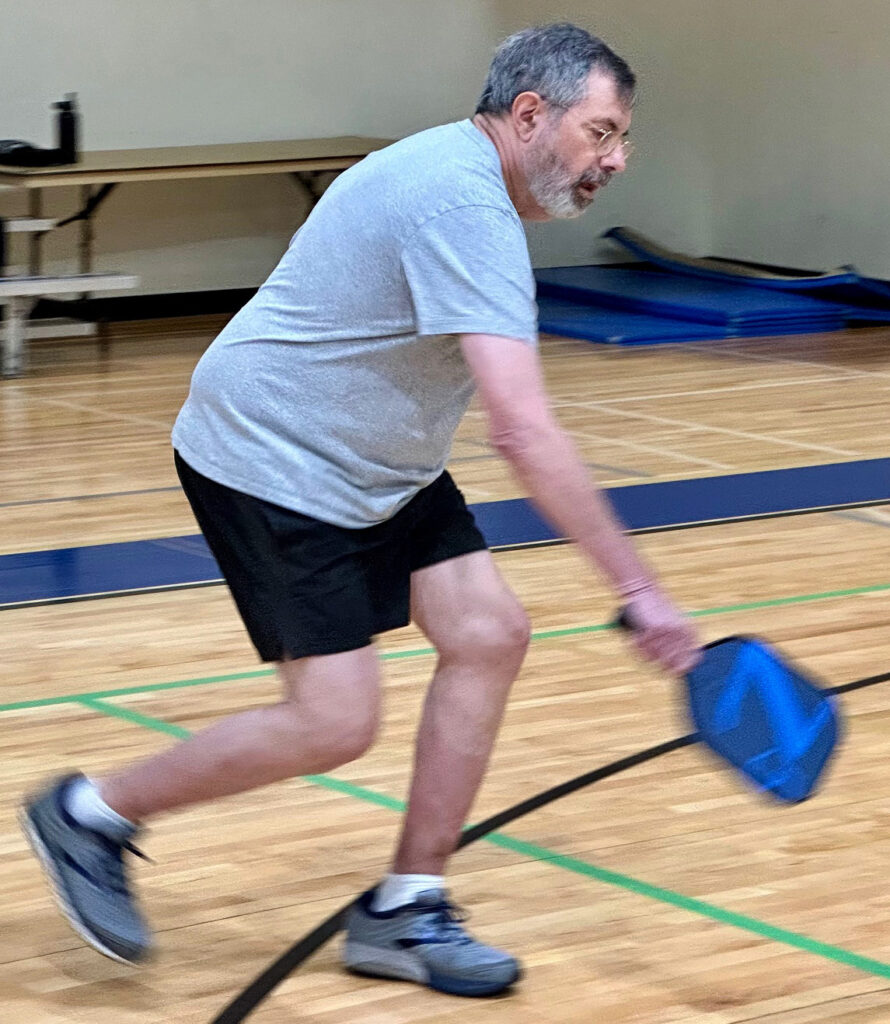
New in 2026, PFP will host our inaugural Pickleball Tournament April 11th, benefiting the Foundation.

2025 was a year of meaningful progress for the Peterson Foundation for Parkinson’s—one defined by collaboration, compassion, and community impact. With a strong foundation in place and an engaged network of supporters, PFP looks forward to building an even brighter future in 2026 for those living with Parkinson’s Disease and the people who care for them.

For more information, upcoming events, or ways to get involved, visit www.petersonforparkinsons.org

Cold Weather and Parkinson’s: How to Stay Warm and Manage Symptoms

Cold weather can be challenging for anyone—but for individuals living with Parkinson’s disease, winter temperatures can intensify symptoms and make daily activities more difficult. Stiff muscles, increased tremors, and slower movement are common in colder months, and staying warm isn’t just about comfort—it’s an important part of symptom management.

The good news is that with a few thoughtful strategies, individuals living with Parkinson’s can stay warm, stay safe, and stay active all winter long.

Why Cold Weather Can Worsen Parkinson’s Symptoms

Cold temperatures can cause muscles to tighten and joints to stiffen, which may increase rigidity and reduce mobility. Many individuals living with Parkinson’s also notice that tremors become more pronounced when they’re cold. In addition, shorter daylight hours and reduced activity during winter months can impact mood, energy levels, and overall well-being.

Understanding these challenges is the first step toward managing them.

Practical Tips to Stay Warm and Reduce Symptoms

Dress in Layers

Layering allows the body to retain heat while giving flexibility to adjust throughout the day. Thermal undershirts, lightweight sweaters, and insulated outerwear can help maintain a stable body temperature. Look for clothing with easy fasteners like zippers or Velcro to reduce strain on hands and fingers.

Keep Hands and Feet Warm

Hands and feet are especially sensitive to cold and play a major role in mobility and balance. Insulated gloves, warm socks, and lined shoes can make a big difference. Hand warmers—either disposable or rechargeable—can be helpful when going outdoors.

Stay Active Indoors

Movement helps keep muscles flexible and circulation flowing, which can reduce stiffness. Gentle indoor exercises, stretching, yoga, or guided movement programs designed for Parkinson’s can help manage symptoms when outdoor activity isn’t an option.

Maintain a Warm Home Environment

Keep indoor temperatures comfortable, especially in the morning and evening when stiffness may be worse. Using space heaters safely, warming blankets, or heated mattress pads can help, particularly for bedtime and early mornings.

Plan Medication Timing Carefully

Cold weather can make “off” periods feel more pronounced. Staying consistent with medication schedules and discussing any seasonal symptom changes with a healthcare provider can help ensure optimal symptom control.

Prioritize Nutrition and Hydration

Warm meals and beverages like soups, teas, and broths can help regulate body temperature and provide comfort. Proper hydration remains important even in colder months, as dehydration can worsen fatigue and muscle stiffness.

Be Mindful of Safety

Icy or slippery conditions increase the risk of falls. Wearing supportive, non-slip footwear and using mobility aids when needed can help reduce risk. Taking extra time when moving from cold to warm environments can also prevent dizziness.

Listen to Your Body

Everyone experiences Parkinson’s differently, and cold weather may affect each individual in unique ways. Paying attention to how your body responds—and adjusting routines accordingly—is key. If winter symptoms become significantly worse, it’s important to talk with a neurologist or Parkinson’s care specialist.

Staying Well Through the Winter

Cold weather doesn’t have to mean worsening symptoms or reduced quality of life. With preparation, awareness, and support, individuals living with Parkinson’s can navigate winter months more comfortably and confidently.

Small steps—like dressing warmly, staying active, and maintaining routines—can make a meaningful difference all season long

A Night to Remember: Petey’s Party 2025 Brings Together the Parkinson’s and Hockey Communities in Middle Tennessee

Nashville, TN – October 10, 2025 – Petey’s Party returned in September 2025 with a weekend full of fun, philanthropy, and community spirit, raising over $300,000 to support the Peterson Foundation for Parkinson’s and the Nashville Predators Foundation.  Among the fan-favorite traditions was the sale of “Petey’s Balls,” which raised an impressive $21,100 alone.

A beloved member of the Preds family since the franchise’s first season, Brent Peterson served as an assistant coach on Barry Trotz’s original staff, helping guide the team into the 2010s.

Diagnosed with Parkinson’s disease in 2002, Peterson’s journey—supported by friends like Hockey Hall of Famer Cam Neely—inspired the creation of Petey’s Party, uniting hockey fans, the Nashville community, and supporters throughout Middle Tennessee to raise awareness and funds for Parkinson’s programs.

Last month’s festivities kicked off at the iconic Bridgestone Arena, where more than 800 guests gathered for an unforgettable evening of celebration and giving back. The crowd was treated to a high-energy performance by the popular comedian Killer Beez, adding excitement to a night filled with heartfelt stories and impactful fundraising moments.

A highlight of the evening came when Roman Josi, Captain of the Nashville Predators took the stage to present a $10,000 donation to the Peterson Foundation for Parkinson’s (PFP), further demonstrating the team’s ongoing commitment to the local community.

The celebration continued the following day at the annual Peterson Golf Classic sponsored by Regions Bank, where 220 golfers across 44 teams teed off for a good cause.

“This year’s Petey’s Party was a true testament to what we can achieve when the community comes together,” said Amy Breedlove, Executive Director, Peterson Foundation for Parkinson’s. “We’re beyond grateful to the Nashville Predators Foundation, all of our sponsors, and the hundreds of attendees who helped us surpass our fundraising goals.”

About the Peterson Foundation for Parkinson’s

The Peterson Foundation for Parkinson’s (PFP) mission is to support and enhance lives of people with Parkinson’s, their care partners and families to achieve their highest possible quality of life through awareness, education, and programs within a caring community.

Smart Ways to Beat the Heat with Parkinson’s

As the summer heat settles in, it’s important for individuals living with Parkinson’s Disease to take extra care. High temperatures and humidity can intensify symptoms, increase fatigue, and even affect medications. But with a few smart adjustments and proactive strategies, you can enjoy the sunshine safely. Here are some essential tips and tricks to help you navigate the summer months:

1. Stay Hydrated: Dehydration can sneak up fast in hot weather—especially for people with Parkinson’s, who may already experience decreased thirst. Try these hydration hacks:

  • Keep water nearby at all times—set reminders if needed.
  • Add a splash of flavor with fruit slices or electrolyte powders to encourage regular sipping.
  • Eat hydrating foods like watermelon, cucumbers, and oranges.

2. Dress Smart: Choose clothes that work with the heat, not against it

  • Lightweight, breathable fabrics like cotton or moisture-wicking materials.
  • Light colors reflect the sun better than dark ones.
  • Wide-brim hats and UV-protective sunglasses for added protection when outdoors.

3. Time Your Outings: When the sun is high, the risk of overheating is too.

  • Avoid being outside during peak heat, typically between 10 a.m. and 4 p.m.
  • Plan walks, errands, or appointments for early morning or evening.
  • Use cooler indoor spaces, like libraries or shopping centers, if you need to get out during the day.

4. Keep Your Cool Indoors: Don’t let your home become a heat trap

  • Use fans or air conditioning to maintain a comfortable temperature.
  • Close blinds or curtains during the day to block heat.
  • Keep a cold compress or damp washcloth in the fridge for quick relief on your neck or wrists.

5. Watch Your Medications: Some Parkinson’s medications can impair your body’s ability to regulate heat or cause dehydration.

  • Talk to your doctor or pharmacist about how your medications interact with heat.
  • Store medications properly—some may lose potency if exposed to high temps.

6. Take Cooling Breaks: Listen to your body and be proactive

  • Rest often, especially if doing outdoor activities.
  • Carry a spray bottle with cold water to mist your face and neck.
  • Consider a cooling towel or vest, especially if you’re going to be out longer than 15–20 minutes.

7. Be Kind to Your Energy Levels: The heat can be draining. Fatigue is a common symptom of Parkinson’s—and it can be amplified by high temps.

  • Schedule your most demanding activities for when you’re feeling most alert.
  • Give yourself permission to rest more during heat waves—it’s not laziness, it’s smart self-care.

Living well with Parkinson’s means planning ahead—and summer is no exception. By staying cool, hydrated, and in tune with your body’s needs, you can reduce the risks and make the most of the sunshine. Always check in with your care team if you’re unsure about symptoms or changes during the warmer months.

Recent Developments in Parkinson’s Disease Treatment and Awareness

By Kate Fiorianti | April 7, 2025

Over the past five years, significant advancements have transformed the landscape of Parkinson’s disease diagnosis and treatment. As we observe Parkinson’s Awareness Month this April, it’s essential to highlight these developments that offer hope and improved quality of life for those affected by the disease.

Enhanced Diagnostic Techniques

Early and accurate diagnosis of Parkinson’s disease has been bolstered by innovative research. Notably, the discovery from the Michael J.  Fox Foundation research of a biomarker has propelled us into a new era of research, bringing us closer to a cure.

Additionally, the identification of non-motor symptoms, such as sleep disturbances and loss of smell, has enabled earlier detection and intervention, allowing for more personalized treatment approaches.

Advancements in Treatment Options

Treatment methodologies have evolved with the advent of new technologies and therapies:

  • Adaptive Deep Brain Stimulation (DBS): The FDA’s approval of Medtronic’s BrainSense Adaptive DBS represents a breakthrough in symptom management. This device dynamically adjusts stimulation in response to real-time brain signals, offering more precise control over motor symptoms compared to traditional continuous stimulation methods.
  • Focused Ultrasound (FUS): Vanderbilt is focusing on FUS, an incision-free, minimally invasive treatment to reduce tremors. This outpatient procedure requires no anesthesia, results in immediate symptom relief for most patients, and allows for a quick recovery. With minimal side effects, focused ultrasound offers a safe and effective alternative to traditional surgical treatments.

Genetic Research and Personalized Medicine

Genetic studies have significantly advanced our understanding of Parkinson’s disease. The Parkinson’s Foundation’s global research initiative, PD GENEration, offers genetic testing and counseling at no cost for individuals with Parkinson’s. This program aims to uncover genetic factors influencing the disease, paving the way for personalized treatment strategies and targeted therapies.

These advancements underscore a collective commitment to improving the lives of those affected by Parkinson’s disease. This Parkinson’s Awareness Month, we recognize and celebrate the progress made, while reaffirming our dedication to ongoing research, support, and advocacy.

Eating Right with Parkinson’s: Nutrition Month Tips

By Kate Fiorianti | March 6, 2025

March is National Nutrition Month—a perfect time to focus on how food can support those living with Parkinson’s Disease. While there is no specific “Parkinson’s diet,” certain foods may help manage symptoms, improve overall health, and enhance quality of life. A well-balanced diet rich in nutrients can help support brain function, maintain energy levels, and promote overall well-being.

Foods That May Help Manage Symptoms

  1. Eat the Rainbow: Leafy Greens & Berries

Dark, leafy greens like spinach, kale, and Swiss chard are packed with antioxidants, vitamins, and minerals that support brain health and fight inflammation. Berries, such as blueberries and strawberries, contain flavonoids, which have been linked to cognitive benefits and may help protect brain cells.

For more information read our “Nutritional Superstars for Parkinson’s: The best Fruits and Veggies” blog.

  1. Healthy Fats for Brain Function

Omega-3 fatty acids, found in salmon, walnuts, and flaxseeds, have been shown to support brain health and may help reduce inflammation. Incorporating these healthy fats into your diet can aid cognitive function and overall well-being.

  1. Whole Grains for Steady Energy

Fatigue is a common symptom of Parkinson’s, but whole grains like quinoa, brown rice, and oats provide a steady release of energy throughout the day. Unlike refined grains, whole grains offer fiber and essential nutrients that help regulate digestion and maintain stable blood sugar levels.

Smart Eating Habits for Parkinson’s

  1. Try Smaller, Frequent Meals

Eating small meals throughout the day can help maintain energy levels and prevent dips in blood sugar, which can contribute to fatigue. This approach can also aid digestion, especially for those experiencing slowed gastric emptying.

  1. Stay Hydrated

Drinking plenty of water is essential, as dehydration can worsen symptoms such as constipation and dizziness. Herbal teas, broths, and water-rich fruits like watermelon and cucumbers can also help maintain hydration.

  1. Be Mindful of Protein & Medication Timing

Levodopa, a common medication for Parkinson’s, can be affected by high-protein meals. To ensure proper absorption, consider spacing out protein intake or discussing meal timing with your healthcare provider.

Final Thoughts

Eating a nutrient-rich diet tailored to your needs can help manage symptoms and improve daily life with Parkinson’s. This Nutrition Month, take small steps to incorporate brain-boosting foods, stay hydrated, and experiment with meal timing to support your well-being.

Valentine’s Day and Parkinson’s: Nurturing Relationships

By Kate Fiorianti | February 4, 2025

Valentine’s Day is a time to celebrate love and connection, but for those managing Parkinson’s disease, it can bring unique challenges. Parkinson’s affects not just the individual but also their relationships. However, with intentional effort, nurturing emotional and romantic connections is both possible and deeply rewarding.

Here are some ideas to help maintain and strengthen your relationships while navigating the complexities of Parkinson’s Disease.

Prioritize Quality Moments

Life with Parkinson’s can feel overwhelming due to the demands of managing symptoms and daily routines. However, taking time to prioritize quality moments with your loved ones is essential for maintaining a strong connection.

These moments don’t have to be lengthy or elaborate. Sharing a morning cup of coffee, reminiscing about a favorite memory, or even sitting quietly together can foster a sense of closeness.

Tip: Set aside specific times in your day for these interactions, even if just for a few minutes. Consistency helps build and maintain emotional bonds.

Practice Open Communication

Parkinson’s can introduce physical and emotional challenges, such as fatigue, mood changes, or mobility difficulties. Without open communication, misunderstandings or frustrations may arise. Being honest about your experiences while also listening to your partner’s feelings is vital.

Discuss not only the challenges but also the ways you can support one another. This ensures that both partners feel heard and valued, creating a stronger foundation of trust.

Tip: Use “I” statements like, “I feel…” or “I need…” to express yourself without placing blame. For example, “I feel supported when we talk about plans for the week.”

Adapt Traditions

Romantic traditions that once felt effortless may now require adjustments. Instead of focusing on what you can’t do, think about ways to adapt and create new traditions that work for your current situation.

If going out for dinner feels too stressful, plan a special meal at home. If giving a physical gift feels less meaningful, consider writing a heartfelt letter or sharing a playlist of songs that hold memories for both of you.

Tip: Find joy in creating meaningful experiences, even if they look different than they used to. The intention behind the gesture is what truly matters.

Nurture Intimacy

Intimacy often extends beyond physical affection and includes emotional closeness, trust, and shared moments of vulnerability. Parkinson’s may impact physical intimacy due to changes in mobility, energy levels, or self-esteem, but it doesn’t diminish the importance of staying connected in other ways.

Touch is a powerful tool for maintaining intimacy—simple acts like holding hands, sharing a massage, or sitting close can convey love and support. Emotional intimacy can also be nurtured through heartfelt conversations, shared laughter, or engaging in activities you both enjoy.

Tip: Talk openly about your desires, boundaries, and what makes you feel connected. Experiment with new ways to express your love that feel natural and comfortable for both of you.

Read more from the National Parkinson’s Foundation on Parkinson’s and Intimacy: https://www.parkinson.org/sites/default/files/documents/intimacy-and-parkinsons.pdf

Celebrate Small Victories

Living with Parkinson’s can sometimes make it feel like progress is slow or challenges outweigh successes. Shifting your focus to small victories can help maintain a positive outlook and reinforce the bond between you and your partner.

Celebrate moments like a day with fewer symptoms, accomplishing a shared goal, or simply finding time to connect despite a busy schedule. These small acknowledgments remind you both of the strength and resilience you share.

Tip: Create a habit of expressing gratitude to one another. Saying “thank you” for small acts of kindness or support reinforces the care and effort you both put into the relationship.

While Valentine’s Day highlights love, these practices are valuable year-round. Parkinson’s may bring obstacles, but with intention, understanding, and care, relationships can grow even stronger in the face of challenges.

Remember: Love isn’t about perfection—it’s about showing up for one another, every day, in ways that matter.

This Valentine’s Day, take a moment to nurture the connections that mean the most. Whether it’s a kind word, a quiet moment, or a loving smile, every act of care strengthens the bonds of love.

New Year, New Strategies: Setting Goals for Living Well with Parkinson’s in 2025

By Kate Fiorianti | January 6, 2025

As the calendar turns to 2025, it’s a perfect opportunity to reflect, reset, and refocus. For those living with Parkinson’s—as well as the care partners and family members who support them—the new year offers a chance to set meaningful goals that prioritize health, wellness, and quality of life. Goal-setting can feel overwhelming, but breaking it down into practical steps can make all the difference. Here are some strategies to help you live well with Parkinson’s in 2025.

Harness the Power of Organization

Consistency is key when managing Parkinson’s. Start by organizing your day-to-day activities:

  • Track medications and appointments: Use a planner or a dedicated app to ensure you never miss a dose or a check-up. Apps like Medisafe can help streamline this process.
  • Plan ahead: Scheduling your week can create structure and reduce stress, especially when it comes to exercise, therapy sessions, or meal prep.

Set Realistic Goals

Achieving a big goal begins with small, manageable steps:

  • Start small: Whether it’s incorporating a 10-minute daily walk or adding a new vegetable to your diet, incremental changes can build momentum and foster a sense of accomplishment.
  • Celebrate progress: Acknowledge each milestone, no matter how small—it’s all part of the journey toward better health.

Prioritize Fitness

Exercise is a proven way to manage Parkinson’s symptoms, enhance mobility, and boost overall well-being:

  • Explore Parkinson’s-friendly fitness programs: Look for activities like tai chi, yoga, or boxing programs like Rock Steady Boxing. These can improve balance, strength, and flexibility.
  • Create a schedule: Consistency is vital. Even 15 minutes of daily movement can make a difference.

Focus on Nutrition

A balanced diet can help manage symptoms and maintain energy levels:

  • Consult a professional: A dietitian familiar with Parkinson’s can tailor a plan to your needs, emphasizing brain-healthy foods like berries, nuts, and leafy greens. (check out our blog “Nutritional Super Stars for Parkinson’s)
  • Stay hydrated: Dehydration can exacerbate symptoms, so keep water handy throughout the day.

Support Mental Health

Mental health is as important as physical health. Parkinson’s can sometimes lead to anxiety or depression, so proactive care is essential:

  • Practice mindfulness or meditation: Techniques like deep breathing or mindfulness can help reduce stress and promote emotional balance.
  • Seek connection: Whether through a support group or a regular coffee chat with a friend, staying connected can combat feelings of isolation.

Caregivers: Set Your Own Goals

Caregiving is an act of love, but it’s also demanding. Caregivers should set goals for their own self-care:

  • Carve out “me time”: Whether it’s reading, walking, or pursuing a hobby, prioritize activities that recharge you.
  • Join our Care Partners Support Group: Connecting with other caregivers can provide practical advice and emotional support. (email info@petersonforparkinsons.org for more information on meetings)

The Power of Goal-Setting in Parkinson’s Management

Every goal, no matter how small, can be a step toward living well with Parkinson’s. As you map out your goals for 2025, remember that flexibility and self-compassion are key. Not every day will go as planned, but each effort contributes to your overall well-being.

Here’s to a year of progress, positivity, and purpose!

Shaping the Future of the Peterson Foundation for Parkinson’s

By Kate Fiorianti | January 3, 2025

 A Message from Our New Executive Director, Amy Breedlove

As I step into the role of Executive Director for the Peterson Foundation for Parkinson’s, I am filled with both excitement and a profound sense of purpose. The opportunity to lead this organization is inspired by my deep admiration for the incredible work it has already accomplished. My goal is to build upon these achievements and continue increasing awareness across the state of Tennessee, bringing hope and resources to individuals and families affected by Parkinson’s disease.

Challenges are inevitable, whether it’s identifying new funding opportunities or developing creative programs, I will strive to find resourceful ways to overcome obstacles. This role is not just a job—it’s a calling. My passion to make a lasting difference for those living with Parkinson’s fuels my energy, focus, and determination every day.

Throughout my previous work history I have gained an array of leadership qualities and experiences that will allow my role at PFP to inspire growth, innovation and provide a meaningful impact. Leading this organization is both an honor and a responsibility. I will ensure the Foundation’s vision aligns with tangible, measurable outcomes by creating mission driven strategies. I’m committed to building strong partnerships with staff, volunteers, healthcare providers, and other stakeholders. By fostering a culture of collaboration, I ensure that every voice is heard and valued.

Partnerships are a cornerstone of my vision for the Peterson Foundation for Parkinson’s. Collaboration allows us to amplify our impact, extend our reach, and offer a more comprehensive range of resources and services to the Middle Tennessee Parkinson’s community. By fostering strategic alliances with other organizations, sponsors, and healthcare providers, we can address challenges more effectively and create sustainable, long-term solutions.

As we embark on this journey together, I am excited about the possibilities that lie ahead. With the support of our dedicated team, volunteers, and community partners, I am confident that we can continue to make a significant difference in the lives of those living with Parkinson’s disease. Let’s work together to bring hope, resources, and a brighter future to our community.

The Peterson Foundation for Parkinson’s Announces Leadership Transition: Debbie Lowenthal Retires, Amy Breedlove Steps Into Role

By Kate Fiorianti | January 3, 2025

Nashville, TN — January 3, 2025 — Peterson for Parkinson’s recently announced the retirement of its Executive Director, Debbie Lowethal, effective December 31, 2024. After 15, Debbie leaves behind a legacy within the Middle Tennessee Parkinson’s Community.

“While working with Brent and Tami, I witnessed their dedication to supporting Parkinson’s patients, care partners and families. Through this foundation, we raised nearly $1 million for Vanderbilt Medical Research and established vital support groups across Middle Tennessee—I could not be more proud of the work we have accomplished.” said Debbie Lowenthall.

“The transition of leadership is a pivotal moment for any organization, and we are thrilled to welcome Amy as the new Executive Director of our Foundation. Her passion, vision, and experience make them uniquely qualified to carry forward the mission we hold so dear. While we will deeply miss Debbie’s extraordinary leadership, we are confident that Amy will build upon the strong foundation they have laid and lead us into an exciting new chapter for the Peterson Foundation for Parkinson’s,” said Brent Peterson, Founder or the Peterson Foundation for Parkinson’s

Stepping into the role is Amy Breedlove, who joins the organization with 8 years experience working with the Peterson Foundation for Parkinson’s prior to starting her own company. “I am truly excited and honored to step into the role of Executive Director at the Peterson Foundation for Parkinson’s. As we continue the journey to raise awareness and support those impacted by Parkinson’s disease, I am inspired by the Foundation’s work and committed to advancing its mission.” states Amy Breedlove, incoming Executive Director.

Click here to read more about Amy’s vision for the future of the Peterson Foundation for Parkinson’s